
We Cannot Automate Our Way Into Authentic Connection
AI can make outreach sound warm, polished and personal. What it cannot do is decide whether the seller has earned the right to interrupt.
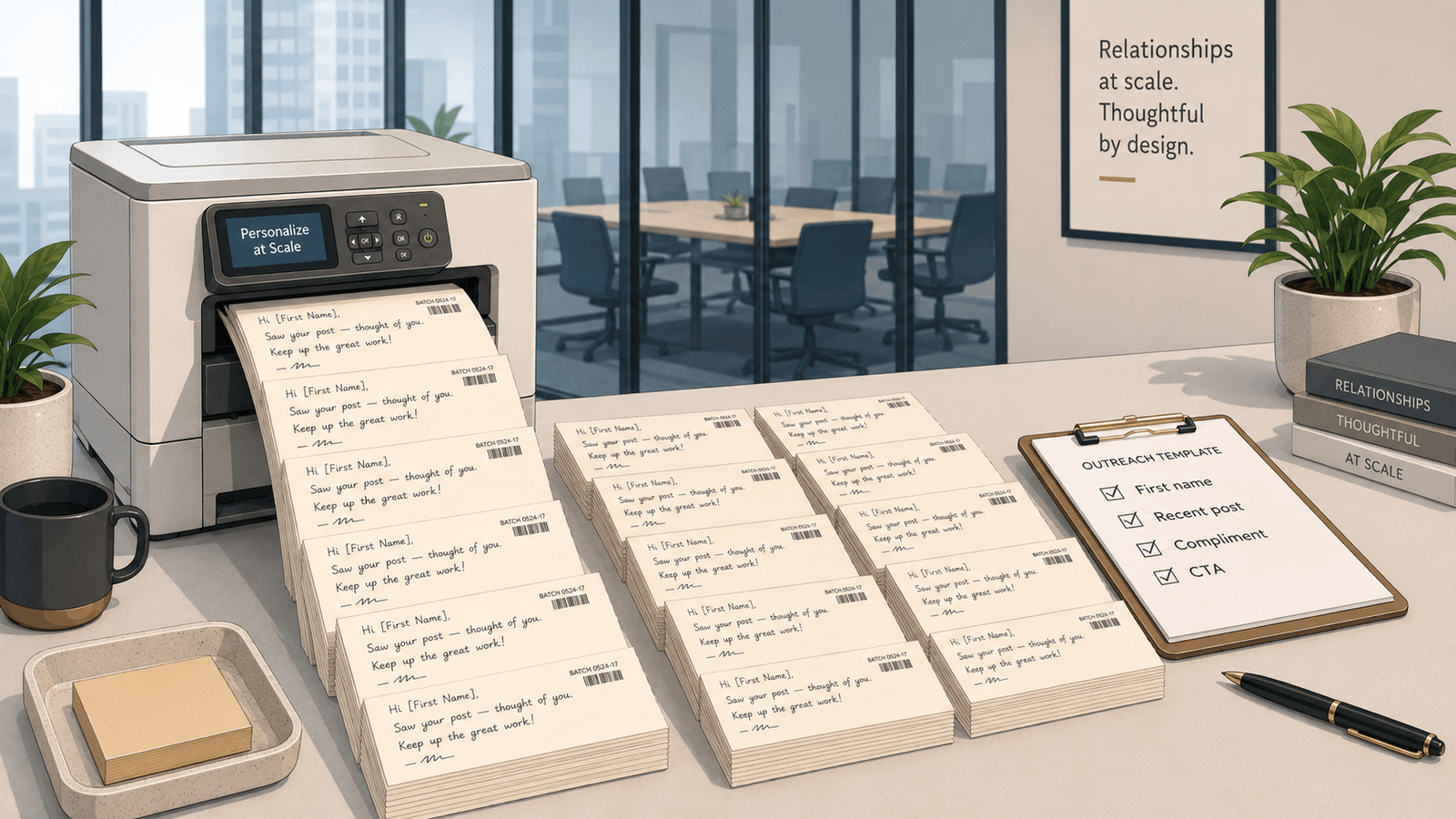
Sales teams are being asked to do more of everything: more accounts, more outreach, more personalization, more follow-up, more preparation, more pipeline, more relevance, more consistency. As if that isn’t enough, they are being asked to do it faster than ever before.
So when AI shows up offering speed, structure, and most of all relief from the parts of sales that feel like administrative quicksand, the appeal is obvious. A lot of that work should be easier. AI can help sellers sort through account information, clean up call notes, draft follow-up, identify patterns, sharpen questions, and reduce the administrative drag that keeps them away from real customer thinking. Used well, it gives sellers more room to do the work only humans can do: think, listen, interpret, decide, and connect.
That is the promise worth protecting.
The tension starts when AI moves from supporting the relationship to standing in for it. Sales still depends on trust. Before a buyer gives us time, they have to believe the person reaching out has a credible reason for the conversation and enough understanding to make it worth having.
That belief is fragile. It is not created by polish alone.
A message may reference the right company, role, event, or post. It may be technically accurate. It may even sound warm and personalized. But if the buyer senses that the message was created around them without much actual thought about them, the connection request is already in the danger zone.
This is the trust problem hiding inside the productivity promise.
Smart companies can miss it because the signals look responsible. Faster outreach looks like momentum. Scaled personalization looks like sophistication. Consistent messaging looks like discipline. To be fair, in the right places, those things matter. But they are not the same as relevance.
The bar is no longer whether a message sounds human. AI can make outreach sound warm, polished, and personal. What it cannot do is decide whether the seller has earned the right to interrupt.
That matters because the first touch teaches the buyer how to hear the next one. If the first message feels generic, over-processed, strangely polished, heavy on em dashes, or dressed up with surface-level personalization that never turns into a real point of view, the second message arrives with baggage.
The company may think it is increasing reach, and in a narrow sense, it may be. But it may also be training the market to filter its voice faster. No dramatic failure or public outrage. Just more silence, more skepticism, and more buyers who assume the message was sent because the system made it possible, not because the seller had something worth saying.
Buyers are not rejecting technology. They are rejecting the feeling that their attention was assumed, not earned.
Put AI in the right seat
That distinction matters because the problem is not AI itself. The problem is using AI to skip the very thinking that makes outreach worth receiving. This is not an argument against AI. It is an argument for putting AI in the right seat.
Let AI clear the clutter around the relationship: the research, the notes, the patterns, the gaps, the questions worth considering. That support is valuable. But it is not the relationship.
The seller still has to do the harder work: decide what matters, understand why it matters now, consider the buyer’s side of the interaction, and make the message worthy of the interruption.
That is where authenticity has to become more than a nice idea.
In a market where almost everyone can generate clean, polished, personalized outreach, the advantage shifts back to the human work. AI can help with preparation and administrative lift. The seller still has to bring the perspective, the empathy, and the reason the interaction is worth having.
A better standard
That should become the standard. Not whether AI helped us send more. Not whether it helped the message sound more human. The better question is whether it helped the seller become more prepared, more precise, and more worth trusting.
Predictive Wins believes AI has a place in sales performance. A meaningful one. But productivity is not the highest standard. The real work is building the behaviors, strategies, and customer conversations that create trust and differentiation where it actually counts: in front of the buyer.
AI can support that work. But it cannot carry the relationship for us.
Connection cannot be generated.
If we forget this, we are in danger of scaling outreach faster than we scale trust.
Hilary Hoff
Writes on discovery, differentiation and what actually changes behavior after the workshop ends. More about the team →
Using AI without sounding like everyone else?
The first call with Predictive Wins is free, and it is twenty-five minutes. No deck, no pitch.
Book a callTake this one with you.
A one-page version of this article, formatted to print or forward. Tell us where to send it and it will appear right here.

Accelerating your ability to earn the market share you deserve.